


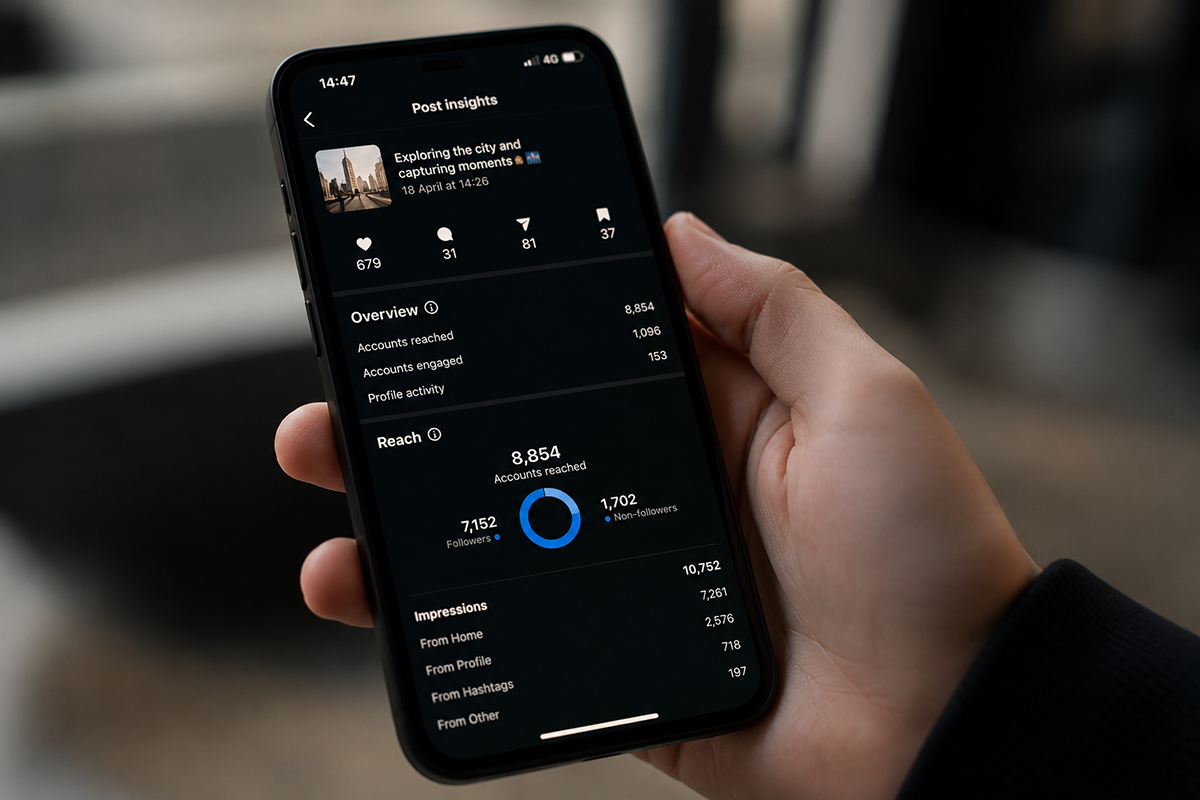
Publishing content does not guarantee that every follower will see it. Social media platforms continuously evaluate thousands of posts, videos, stories, advertisements, and recommendations before deciding what should appear inside each person’s feed.
This decision is shaped by algorithms designed to predict which content is most likely to attract attention, create interaction, and keep people active on the platform.
A post may be visually strong and professionally produced but still receive limited reach when it does not generate the signals the platform expects. Another post with simpler production may spread widely because it immediately connects with the right audience.
Understanding these systems does not mean designing content only for algorithms. It means recognising how audience behaviour, relevance, timing, format, and engagement influence visibility.
Social Feeds Are Personalised, Not Chronological
Most social media feeds are no longer presented strictly according to publication time. Platforms use personalised ranking systems to decide which content should appear first for each individual user.
Two people following the same account may see completely different posts and may see them at different times. The platform considers their previous behaviour, interests, relationships, activity patterns, and preferred content formats.
A user who regularly watches short videos may receive more video recommendations. Someone who frequently interacts with educational posts may see more explanatory carousels, guides, and professional discussions.
The feed is therefore a prediction system. It attempts to estimate which content each person is most likely to value at that particular moment.
The Algorithm Begins With Relevance
Relevance is one of the strongest signals used in content distribution. Platforms examine whether a post matches the interests, behaviour, and previous interactions of a potential viewer.
This analysis may include the subject of the post, written caption, hashtags, audio, visual content, account category, location, and the type of users already engaging with it.
When the platform identifies a strong connection between the content and a particular audience, it is more likely to place that content in front of similar users.
Broad content may sometimes receive large reach, but focused content usually creates stronger relevance because the intended audience is easier to identify.
“Social reach grows when the platform clearly understands who the content is for and why that audience should care.
Early Engagement Influences Wider Distribution
When new content is published, it is often shown first to a limited group of users. The platform then observes how those users respond.
If people stop scrolling, watch the content, read the caption, select the post, share it, save it, or begin a meaningful discussion, the platform receives evidence that the content may deserve wider distribution.
If the initial audience ignores the post or leaves quickly, the platform may reduce its visibility before it reaches a broader group.
This makes the opening moments especially important. A clear visual, relevant headline, strong opening sentence, or immediate demonstration can help users understand why the content deserves their attention.
Not Every Interaction Has Equal Value
A simple impression indicates that content appeared on a screen, but it does not confirm that the user found it useful. Algorithms examine deeper actions to understand the quality of engagement.
Saves can indicate that the content is valuable enough to revisit. Shares suggest that users believe the information is relevant to someone else. Comments can show discussion, curiosity, disagreement, or emotional involvement.
Watch time reveals whether video content held attention. Profile visits, link selections, direct messages, and repeated views may also indicate stronger interest.
The value of each signal varies by platform and format, but meaningful behaviour generally carries more weight than passive exposure.
Watch Time Measures Attention
Video platforms pay close attention to how long users remain engaged. A video that receives many initial views but loses most viewers within the first few seconds may be considered less valuable than a video with fewer views but stronger retention.
Completion rate can also matter. When a high percentage of viewers watch until the end, the platform receives evidence that the content successfully maintained attention.
Replays can provide an additional positive signal, especially when users return to understand a detail, repeat a demonstration, or watch an entertaining moment again.
Strong video content therefore needs more than an attractive cover. It needs a clear opening, effective pacing, relevant information, and a reason for the viewer to continue.
Content Format Affects Visibility
Social platforms often prioritise formats that support their current product strategy. At different times, this may include short-form video, live broadcasting, stories, carousels, community discussions, or long-form educational content.
This does not mean every brand should follow every format trend. Adopting a format without considering the audience or message can produce content that feels forced and inconsistent.
The strongest format is the one that communicates the idea clearly while matching how the intended audience prefers to consume information.
A complex process may benefit from a carousel. A demonstration may work better as video. A timely opinion may perform effectively as a concise written post.
Relationships Influence What People See
Algorithms attempt to identify relationships between accounts. Frequent comments, messages, profile visits, shared posts, mentions, and repeated interactions can indicate that two users are connected.
Content from accounts with stronger interaction histories may appear more prominently than content from accounts users follow but rarely engage with.
This explains why audience size alone does not guarantee reach. An account may have many followers but limited visibility when those followers no longer interact with its content.
Building an active community is therefore more valuable than collecting passive numbers. Consistent conversation strengthens both audience relationships and future content distribution.
Timing Determines the Initial Audience
Publishing time can influence how quickly content receives its first engagement signals. A post released while the intended audience is active may receive faster interaction than the same post published during a low-activity period.
The ideal time is not universal. It depends on audience location, working patterns, age group, industry, platform habits, and content type.
Business audiences may be active during professional hours, while entertainment content may perform better during evenings or weekends. International audiences may require several publishing windows.
Analytics should guide timing decisions. General recommendations can provide a starting point, but account-specific behaviour is more reliable.
Consistency Helps Algorithms Understand the Account
Consistent publishing gives platforms more information about an account’s subject, audience, quality, and activity. It also helps followers develop expectations about the type of value they will receive.
Consistency does not require posting continuously. Publishing weak or repetitive content simply to maintain frequency can reduce engagement and weaken audience interest.
A sustainable schedule is more valuable than an aggressive schedule that cannot be maintained. The objective is to appear regularly enough to remain relevant while protecting content quality.
Topic consistency also matters. When an account moves unpredictably between unrelated subjects, the platform may find it more difficult to identify the most relevant audience.
Hashtags Provide Context, Not Guaranteed Reach
Hashtags can help platforms categorise content and connect it with users exploring related subjects. They provide contextual information about the topic, industry, location, campaign, or community.
However, hashtags do not automatically create visibility. A large list of broad or unrelated tags can weaken relevance rather than improve it.
Strong hashtag use focuses on accuracy. The selected terms should reflect the actual content and the interests of the intended audience.
Captions, spoken words, on-screen text, imagery, and account history also help platforms understand a post. Hashtags are only one part of a wider relevance system.
Captions Help Platforms Interpret Content
A well-written caption provides information for both the audience and the platform. It explains the subject, adds context, and introduces language connected to the intended topic.
Captions should not be filled with keywords in a way that makes the writing unnatural. The message must remain clear, useful, and appropriate to the brand.
Strong captions can also encourage meaningful action. They may invite a relevant opinion, ask a focused question, explain an important detail, or direct users towards a useful next step.
Engagement prompts should feel connected to the content. Generic requests for comments may generate activity but rarely create valuable discussion.
Shares Extend Content Beyond Existing Followers
Shared content can enter private messages, group conversations, stories, professional networks, and external platforms. This allows a post to reach users who do not already follow the original account.
People usually share content when it is useful, timely, entertaining, surprising, emotionally relevant, or capable of expressing something they want others to understand.
Content designed for sharing often provides a clear takeaway. It may explain a difficult concept, identify a common problem, present a practical method, or communicate an idea people recognise in their own experience.
Shareability should come from genuine relevance rather than artificial pressure.
Saves Indicate Long-Term Value
Users save content when they believe it may be useful later. Guides, checklists, tutorials, references, research summaries, recommendations, and step-by-step explanations often generate this behaviour.
Saves can indicate that the post offers value beyond the immediate moment. The user may not comment publicly, but the decision to keep the content demonstrates a deeper level of interest.
Brands can improve save potential by creating clear, practical resources that are easy to revisit. Structured carousels, concise frameworks, and well-labelled visual explanations can support this behaviour.
Negative Signals Reduce Distribution
Algorithms also observe negative behaviour. Users may quickly scroll past content, hide a post, mute an account, report material, select “not interested,” or repeatedly avoid similar recommendations.
These actions suggest that the content may be irrelevant, repetitive, misleading, or inappropriate for that audience.
Excessive promotional language, unrelated trend participation, misleading headlines, low-quality repetition, and overly aggressive publishing can increase negative reactions.
Protecting audience trust is therefore essential. Short-term attention gained through exaggeration may weaken future distribution and damage the brand relationship.
Original Content Usually Creates Stronger Signals
Platforms increasingly attempt to identify original material and may reduce the visibility of duplicated, recycled, or visibly republished content.
Originality does not require inventing a completely new subject. It can come from a distinctive perspective, useful explanation, original example, brand-specific insight, or a new way of presenting familiar information.
Content becomes more valuable when it reflects genuine knowledge and experience rather than simply repeating what is already widely available.
Strong original content also gives audiences a clear reason to follow one account instead of relying on many similar sources.
Trend Participation Requires Relevance
Trends can provide access to active conversations, popular formats, audio, and shared cultural moments. However, participating without a meaningful connection to the brand can make the content feel opportunistic.
A trend should be adapted to the organisation’s audience, tone, and subject. The strongest participation adds a relevant perspective rather than reproducing the same idea without distinction.
Speed also matters. Trends change quickly, and delayed participation may receive limited attention once the audience has moved to another topic.
Brands should balance responsiveness with judgement. Not every popular conversation is appropriate or valuable.
Audience Retention Is More Valuable Than One Viral Post
A widely viewed post can introduce a brand to a large audience, but visibility alone does not guarantee long-term growth.
New viewers must understand what the account represents and why they should continue following it. When a viral post is unrelated to the account’s usual subject, the attention may disappear as quickly as it arrived.
Sustainable growth depends on converting temporary visibility into continued interest. Profile clarity, consistent content themes, and reliable quality help new visitors recognise the value of staying connected.
Paid and Organic Distribution Work Differently
Organic content earns distribution through relevance, engagement, and audience relationships. Paid content receives visibility through advertising budgets, targeting, auction systems, and campaign objectives.
Paid promotion can place content in front of specific users, but it cannot automatically create trust or meaningful engagement. Weak creative work may receive impressions without producing valuable action.
Organic performance can provide useful information for paid campaigns. Content that already produces strong attention, saves, shares, or enquiries may be a stronger candidate for promotion.
The best strategies allow paid and organic activity to support one another while maintaining clear measurement.
Analytics Reveal Why Content Performs
Likes alone provide an incomplete picture. A complete analysis should consider reach, impressions, watch time, completion rate, saves, shares, comments, profile visits, follower growth, link activity, and conversions.
Performance should also be compared by format, topic, publishing time, creative treatment, audience segment, and campaign objective.
A post with limited reach may still be valuable when it generates qualified enquiries. Another post may receive broad visibility but contribute very little to the organisation’s actual goals.
Measurement should therefore connect social engagement with business outcomes rather than treating every interaction as equally important.
Algorithms Change, Audience Value Remains
Social platforms regularly update ranking systems, introduce new formats, adjust recommendation behaviour, and change how different engagement signals are interpreted.
Building a strategy around one temporary algorithm feature creates risk. What performs well today may receive less priority after the next platform update.
Audience value is more stable. Useful information, clear communication, relevant entertainment, credible expertise, and genuine community interaction remain important even when technical ranking systems change.
Brands should understand platform behaviour without allowing every algorithm update to replace their wider communication strategy.
Design for People, Optimise for Distribution
Social algorithms influence visibility, but people determine whether the content deserves attention. A post succeeds when it connects the platform’s distribution signals with genuine audience interest.
Strong creative work needs a clear subject, relevant audience, effective opening, appropriate format, consistent presentation, and a reason for people to engage.
Timing, captions, hashtags, watch time, saves, shares, comments, and profile behaviour can improve distribution, but they cannot replace useful content.
The strongest social strategies do not attempt to manipulate every algorithmic signal. They create meaningful content for a defined audience and then structure that content so the platform can understand, evaluate, and distribute it effectively.